A Highland Landscape, Crafted in Stone
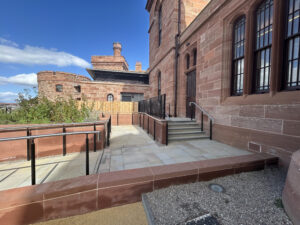
The transformation of Inverness Castle is creating a new gateway to the Highlands, bringing together the conservation of this Category A-listed landmark with contemporary architecture, accessible public spaces and a new visitor experience. A significant part of that transformation is the landscape surrounding the castle, where natural materials have been carefully selected to complement both the historic building and its dramatic setting above the River Ness.
For Hardscape, the project presented an opportunity to bring together a distinctive palette of natural stone and landscape products, working collaboratively with The Highland Council, SLR Consulting, LDN Architects and Bancon Construction to deliver materials across the extensive external works. LDN Architects led the architectural design, with SLR Consulting developing the landscape proposals that remodelled the esplanade and courtyards as an accessible, pedestrian-focused environment.
A palette rooted in the Highlands
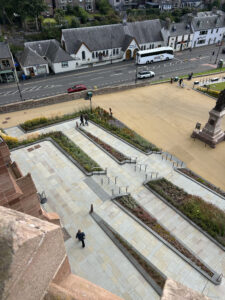
At the heart of the scheme is Argyle Whinstone, selected for its robust character and natural connection to the Scottish landscape. Hardscape supplied Whinstone for paving to the south terrace roof, alongside a comprehensive range of kerbs and drainage channels. The package included various kerb types, quadrant kerbs, steps and cladding, demonstrating the versatility of the material across both functional and architectural applications.
Caithness Sandstone adds another distinctly Scottish element to the material palette, used around the main entrance and adjacent Energy Centre and externally along the castle walls towards the museum at Castle Wynd. Its natural blue-grey and charcoal tones provide a strong yet understated finish, complementing the surrounding Whinstone and warmer Forest Pennant Sandstone while reinforcing the scheme’s connection to the local Highland landscape.
Forest Pennant Sandstone Multi introduces a warmer, more textured element to the landscape, used for paving and risers. Its natural variation helps soften the harder architectural lines of the castle while creating a cohesive transition between the building, terraces and surrounding landscape.
Complementing this is Umber St Bees Sandstone, used extensively for copings, cladding, plinths and walling. The warm, natural tones and distinctive character of the sandstone add another layer to the material palette, helping new interventions sit comfortably alongside the historic setting.
The landscape is completed with Kellen Elementale bespoke seating units, providing contemporary seating within the stone-rich environment and adding a subtle modern counterpoint to the natural materials.
Together, the materials create a landscape that is distinctive, durable and unmistakably connected to its location. From the darker, rugged character of Whinstone to the warmer tones of Forest Pennant and St Bees Sandstone, each material has a role in defining the visitor experience and strengthening the relationship between the castle and its Highland setting.
Energy Centre | Extending the Material Palette
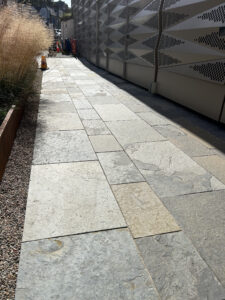
Hardscape’s involvement also extended beyond the immediate castle setting to the adjacent Energy Centre, which provide the infrastructure and energy systems powering the new Inverness Castle Experience. The surrounding paving and architectural elements were carefully coordinated with the wider landscape palette, incorporating Caithness sandstone paving, Forest Pennant Sandstone Multi for risers, copings, cladding and steps, alongside Whinstone kerbs and cladding.
The combination of locally characterful Scottish stone and complementary materials creates a consistent visual language between the Energy Centre and the main castle landscape, ensuring that these essential contemporary structures are integrated naturally into their historic and Highland setting.
A Landscape Rooted in Place
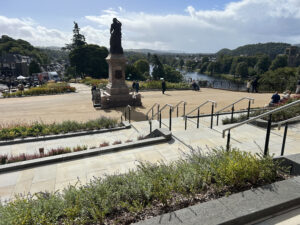
The completed landscape is more than a collection of paving, steps, walls and seating. It is a carefully considered composition of natural stone, architectural detail and contemporary elements, designed to respond to the character of the castle and its dramatic Highland setting. From the robust tones of Whinstone and Caithness Sandstone to the warmer character of Forest Pennant and St Bees Sandstone, each material contributes to a distinctive sense of place.
Through close collaboration with the project team, Hardscape helped bring this vision to life across the castle, surrounding landscape and Energy Centre. The result is a durable and cohesive public realm that respects Inverness Castle’s heritage while creating a contemporary setting for its future as a major visitor destination.